
By MyAutoResource Editorial Team · Reviewed by Steven Sun · 5 min read · Updated July 20, 2026
- On a $35,000 loan over 60 months, a full one-point rate cut lowers your payment by only about $16 a month and saves roughly $960 total.
- The Federal Reserve has given no signal that a near-term cut is coming, so delaying a purchase to wait for lower rates is a bet against its own path.
- New-vehicle prices average near $49,758, so even a 2% price rise while you wait can erase a full point of rate savings.
- Your credit tier moves your APR far more than the Fed does: excellent credit averages 4.55% on a new loan versus 16.01% for deep subprime.
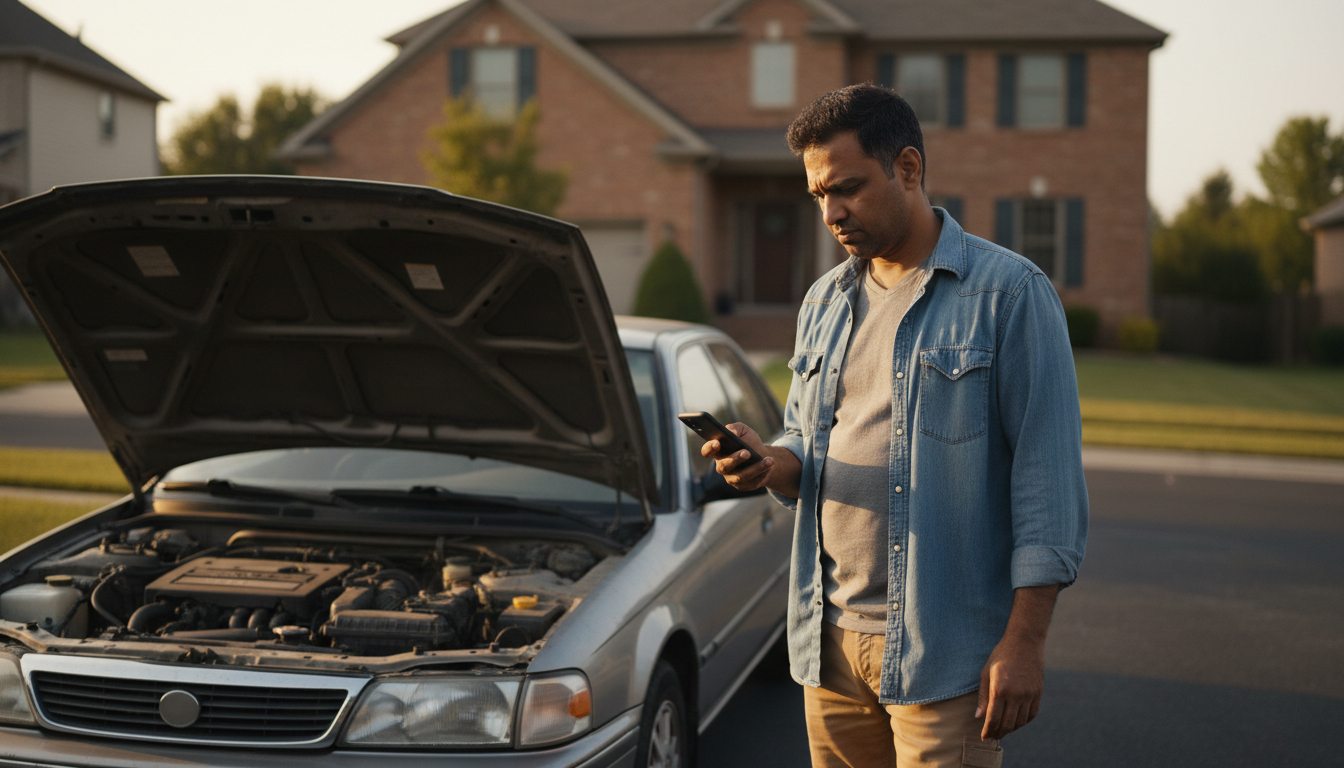
Ray had a $35,000 SUV picked out in March and decided to wait. He figured the Federal Reserve would cut interest rates by summer and shave his auto loan payment. It is now July, the cut has not come, and the Fed has signaled it is in no hurry. Ray has spent four months driving an aging car with a rising repair bill, and the rate he was waiting on has barely moved. Waiting for auto loan rates to drop has quietly become one of the most expensive strategies a car buyer can follow right now.
What the Fed actually signaled
The Federal Reserve sets a short-term benchmark rate that influences, but does not directly set, auto loan APRs. APR, or annual percentage rate, is the yearly cost of borrowing shown as a percentage. When people say “wait for the Fed to cut,” they mean wait for that benchmark to fall so lenders lower their rates.
Here is the problem with that plan today. In its recent policy signals, the Fed has given no indication a cut is imminent. You can track its own schedule and statements on the Federal Reserve’s monetary policy calendar. You can also see where auto rates actually sit in the Federal Reserve’s G.19 consumer credit report, which publishes the national average new-car loan rate each month. Betting your purchase timing on a cut the central bank has not promised is not a plan. It is a hope.
What a rate cut would really save you
Run the numbers and the case for waiting gets weaker. Take a $35,000 loan over 60 months.
At a 6.39% APR, close to the current national average for a new-car loan, your payment is about $683 a month. If the Fed cut rates and yours dropped a half point to 5.89%, your payment would fall to about $675, saving $8 a month. A full point drop to 5.39% would put your payment near $667, saving about $16 a month, or roughly $960 over the whole loan.
That is real money, but it is not life-changing, and it assumes the cut fully reaches auto rates, which it often does not. More importantly, it assumes prices hold still while you wait. They rarely do.
The cost of waiting is bigger than the savings
This is the part buyers miss. While you wait for a rate cut that may not come, three costs pile up.
First, prices. New-vehicle transaction prices have hovered near $49,758 this year, according to Kelley Blue Book and Cox Automotive market data. A 2% price increase on a $35,000 car adds $700 to what you finance, which wipes out that full point of rate savings by itself.
Second, your current car. If you are holding an aging vehicle, every month of waiting is another month of possible repairs, and your trade-in keeps depreciating.
Third, opportunity. You are driving a car you already decided to replace, delaying the safer or more reliable vehicle you picked out.
The lever that beats the Fed: your credit
Here is what actually moves your rate, and it is under your control, not the Fed’s. Your credit tier changes your APR far more than any rate cut. Experian’s data on average auto loan rates by credit score shows the spread.
| Credit tier | Average new-car APR | Average used-car APR |
|---|---|---|
| Excellent (superprime) | 4.55% | 6.30% |
| Overall average | 6.39% | 11.43% |
| Poor (deep subprime) | 16.01% | 21.77% |
The gap between excellent and poor credit on a new loan is about 11.5 percentage points. That dwarfs the half or full point you are waiting on the Fed to deliver. If your credit has room to improve, or if you have not shopped more than one lender, that is where your savings actually live. Before you decide you cannot afford the payment, check how much auto loan your budget can realistically carry, and understand the rate-shopping window that lets you compare lenders without stacking hard inquiries. Both do more for your payment than waiting on a cut.
Frequently asked questions
Will auto loan rates drop in 2026? There is no guarantee. Auto rates track the Federal Reserve’s benchmark loosely, and the Fed has not signaled a near-term cut. Even if it does cut, lenders do not always pass the full change through to car loans, so the drop you actually see is usually smaller than the headline.
Is it better to wait for lower rates or buy now? If you need the car, buy now. The savings from a possible rate cut are small, and waiting exposes you to price increases and depreciation on your current car that usually cost more than the rate savings would have gained you.
How much does a 1% lower APR actually save on a car loan? On a $35,000 loan over 60 months, about $16 a month and roughly $960 across the full loan. It helps, but it is far less than most buyers expect, and it is smaller than a typical price increase on the car itself.
What lowers my car loan rate more than the Fed does? Your credit tier and shopping multiple lenders. The APR gap between excellent and poor credit is around 11.5 points on a new loan, many times larger than any single Fed move, and it is something you can act on directly.