
Real Numbers for Buying, Financing, and Insuring Your Car
Real dollar figures on auto loans, insurance, and used-car buying decisions, sourced and checkable, not vague advice.

160+ Sourced Guides
Every article ties back to a primary source — Experian, KBB, NAIC, CFPB, FTC — not blog-to-blog guesswork.

Rate Tables, Not Vague Advice
Worked calculations and comparison tables you can check yourself, not another “it depends” article.

Built for Every Stage
Loans, insurance, car search, and warranty coverage — guides matched to where you are in the process, not generic tips.
Latest Posts
-

She Saved $2,400 Buying Her Car in New Hampshire. Her Home State Billed Her the Same $2,400 to Register It.
Sales tax on a car follows the state where you register it, not the state where you bought it. Here is the reciprocity math, and the paperwork that trips buyers up.
-

His Transmission Failed at 71,000 Miles. His Warranty Card Said Coverage Ended Four Years Earlier.
Some automakers quietly extend coverage on a known defect years after the printed warranty runs out. Only four states force a dealer to tell you if one applies to your car.
-

Jenna and Marcus Split Up in June. Both Their Names Are Still on the $31,000 Car Loan.
A divorce decree does not take your name off a car loan. Only the lender can do that, and almost always the only way is a refinance in one name alone.
Buying
-
She Saved $2,400 Buying Her Car in New Hampshire. Her Home State Billed Her the Same $2,400 to Register It.
Sales tax on a car follows the state where you register it, not the state where you bought it. Here is the reciprocity math, and the paperwork that trips buyers up.
-

He Drove the Car Home Saturday. Four Days Later, the Dealer Called About the Rate.
He drove the car home Saturday. On Wednesday, the dealer called to say the rate had changed. His contract’s own financing contingency clause decided what happened next.
-

In New York the Dealer Doc Fee Is Capped at $175 by Law. In Georgia, One Buyer Was Charged $700 for the Same Line Item.
A Pennsylvania dealer cannot legally charge more than the state’s posted documentation fee ceiling. A Georgia dealer can charge whatever the market allows, and one buyer was billed $700 for it.
-
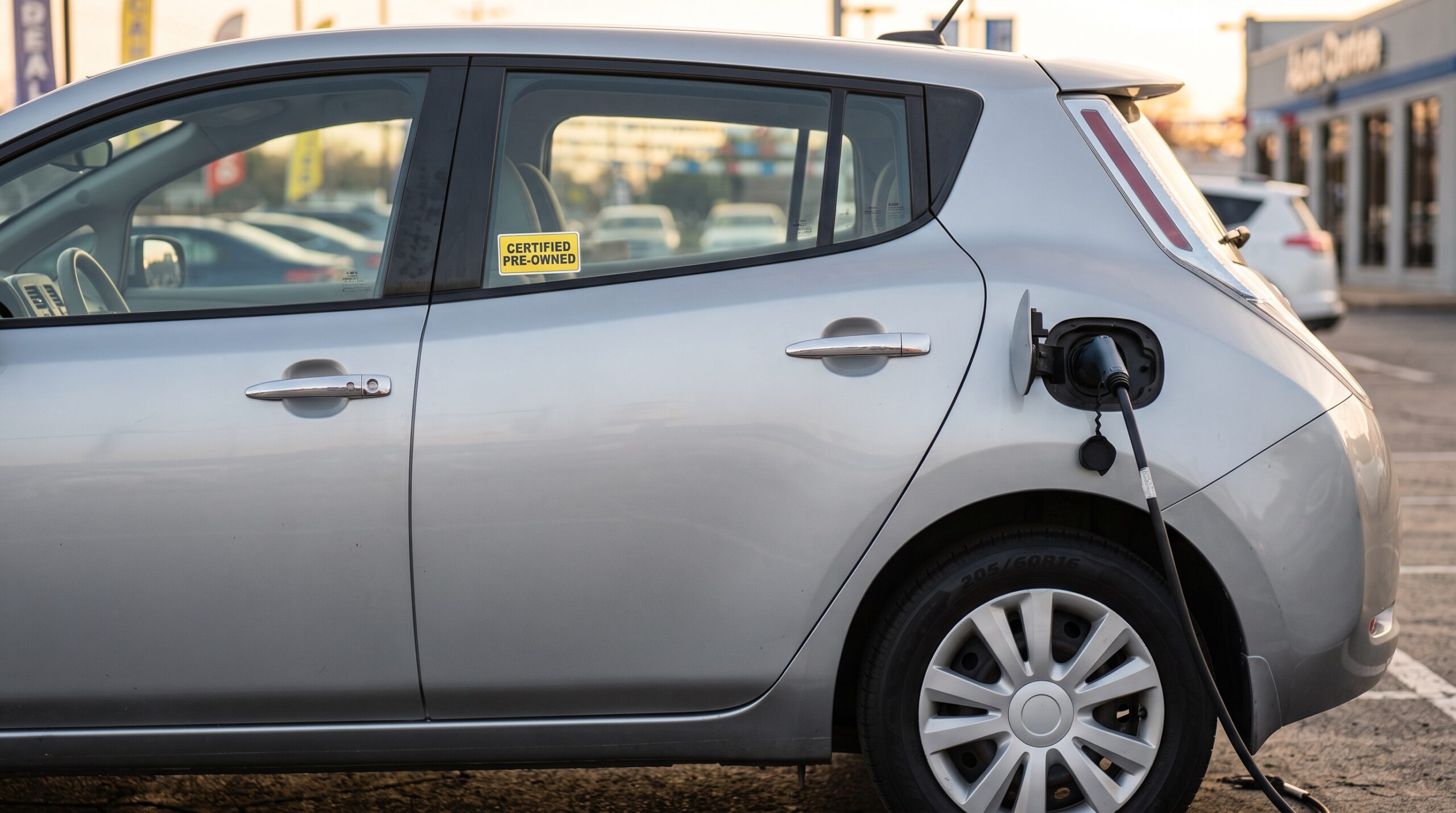
The $7,500 EV Credit Expired in September 2025. Used EV Prices Already Bounced Back.
Used EV prices briefly crashed toward gas-car parity after the federal credit expired, then climbed back up. Here’s the real payback math on buying one today.
Insurance
-

The Car Is in Her Name and Financed in Her State. Her Son Drives It 700 Miles Away, and the Policy Still Lists the Wrong ZIP Code.
The car is financed in her name and garaged at her address. Her son drives it 700 miles away at school, and the policy is still rated for the wrong ZIP code.
-

A Camaro ZL1 and a Base Camaro Share a Nameplate. Theft-Claim Data Puts About $1,115 a Year Between Them.
A Chevrolet Camaro’s base trim and its ZL1 trim share a nameplate, but loss data shows their theft-claim risk sits worlds apart, and insurers price each VIN accordingly.
-
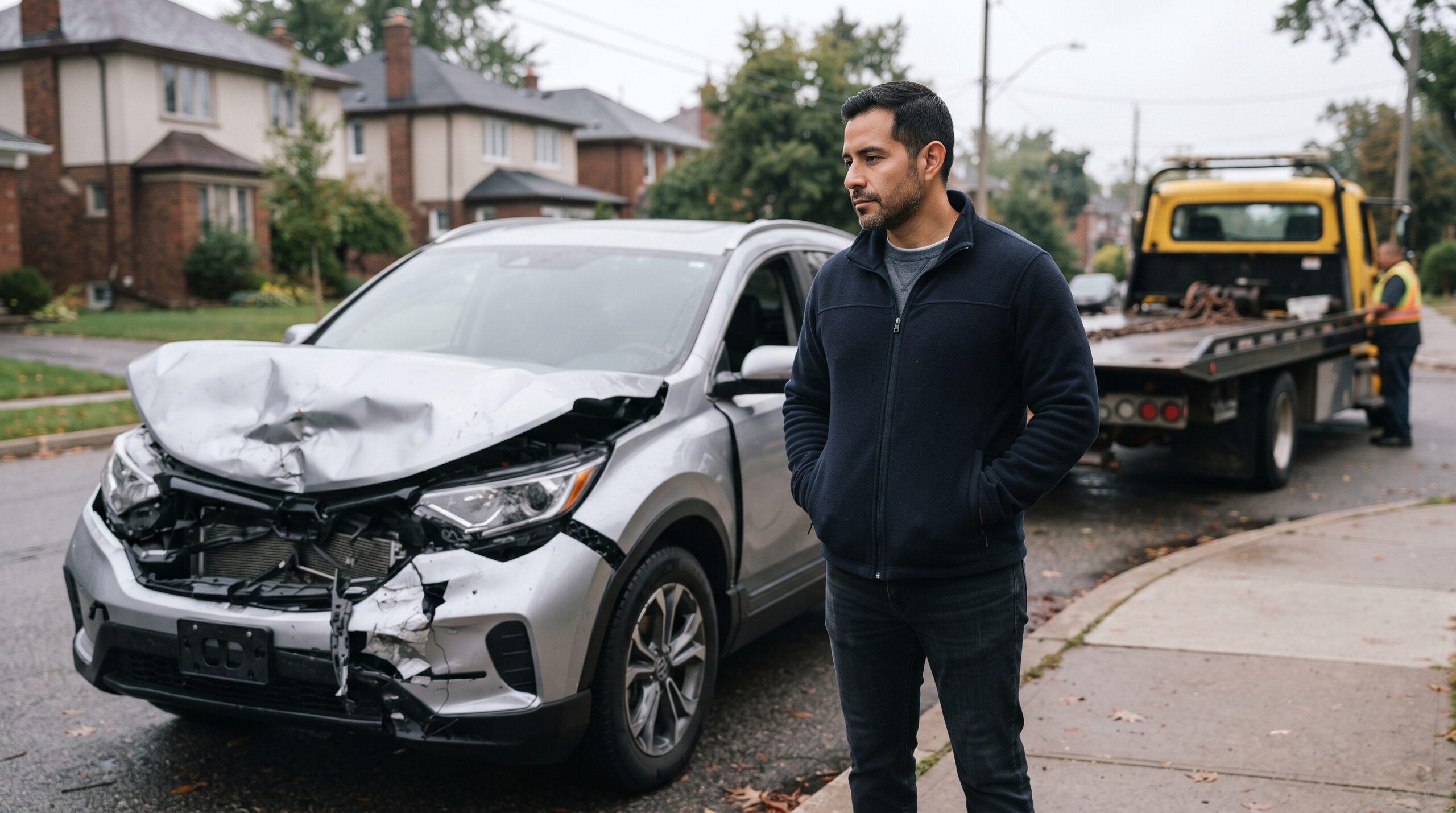
He Still Owed $21,000 on a Totaled SUV. The Insurer’s $18,400 Check Went Straight to the Bank, and His Car Payment Came Due Anyway.
The insurer’s total-loss check does not go to you first, and it does not stop your loan payment either. Here’s the sequence that actually plays out.
-
He Was About to Roll $5,073 Into a New Loan. Was Gap Insurance Still Worth Buying for What Was Left?
Marcus Webb rolled $5,073 of negative equity into his new loan and had to decide, right there at signing, whether gap insurance still made sense.
Loans
-
Jenna and Marcus Split Up in June. Both Their Names Are Still on the $31,000 Car Loan.
A divorce decree does not take your name off a car loan. Only the lender can do that, and almost always the only way is a refinance in one name alone.
-

She Requested a Free Skip-a-Payment on Her Car Loan. It Added $224.95 to What She Owed and Pushed the Payoff Out a Month.
A skip-a-payment offer sounds like a favor from the lender. Interest never stops, a fee is common, and the missed payment lands at the end of the loan, not gone.
-

She Paid $200 Extra a Month for a Year. Her Precomputed Loan’s Payoff Barely Moved.
A driver paid an extra $200 a month for a year and called for a payoff quote expecting a big drop. On a precomputed contract, the math does not work that way.
-

Auto Refinance Savings Hit $102 a Month at Credit Unions Last Quarter. Marissa’s Own Math Landed at $73.
New Experian data shows what auto loan refinancing actually saved drivers last quarter, broken down by lender type, plus a full worked example on a real loan balance.
Smarter Decisions Start Here
Quick, clear guidance for buying, financing, and protecting your next vehicle.



Frequently Asked Questions
What should I do after getting approved for an auto loan?
Start by reviewing the terms of your loan carefully. Then compare dealership offers, insurance rates, and total ownership costs before signing any purchase agreement.
Can I still shop around after submitting my loan application?
Yes! Pre-approval gives you leverage. Use it to compare offers and negotiate better terms with confidence.
How do I know if I’m getting a good interest rate?
Your rate depends on your credit score, loan length, and the lender. Our guides break down how rates are calculated and what’s competitive in today’s market.
Should I finance through the dealership or a bank?
Both options have pros and cons. Dealerships may offer incentives, while banks or credit unions often have lower rates. We compare both so you can decide what works best for you.
What’s the difference between pre-qualification and pre-approval?
Pre-qualification is a soft estimate based on limited info. Pre-approval involves a deeper credit review and carries more negotiating power when shopping.
Can I pay off my auto loan early without penalty?
That depends on your lender’s terms. Some charge prepayment penalties—our content helps you check and understand what’s in the fine print,

Start with Clarity, Finish with Keys
Make Smarter Decisions Today