
By MyAutoResource Editorial Team · Reviewed by Steven Sun · 6 min read · Updated September 7, 2026
- Hyundai’s own 2026 owner’s handbook excludes its 10-year/100,000-mile powertrain warranty from any vehicle placed in commercial use, including rental, unless it was specifically a manufacturer-branded rental or demonstrator program.
- If a rental- or fleet-titled vehicle came from that specific manufacturer program and you’re the first retail buyer, the full extended warranty can still apply to you.
- On a 2-year-old, 41,000-mile Hyundai, that distinction is worth roughly 40,000 additional miles of powertrain coverage.
- Rental fleet check-ins reached 85% of 2019 levels in the second quarter of 2026, up 36% from a year earlier, sending more rental-titled cars back into the used market, according to Cox Automotive.
In this article
- What “one owner” doesn’t tell you
- The warranty math behind a rental-titled car
- The case where a fleet car is the better buy
- What to ask before you buy
- Frequently asked questions
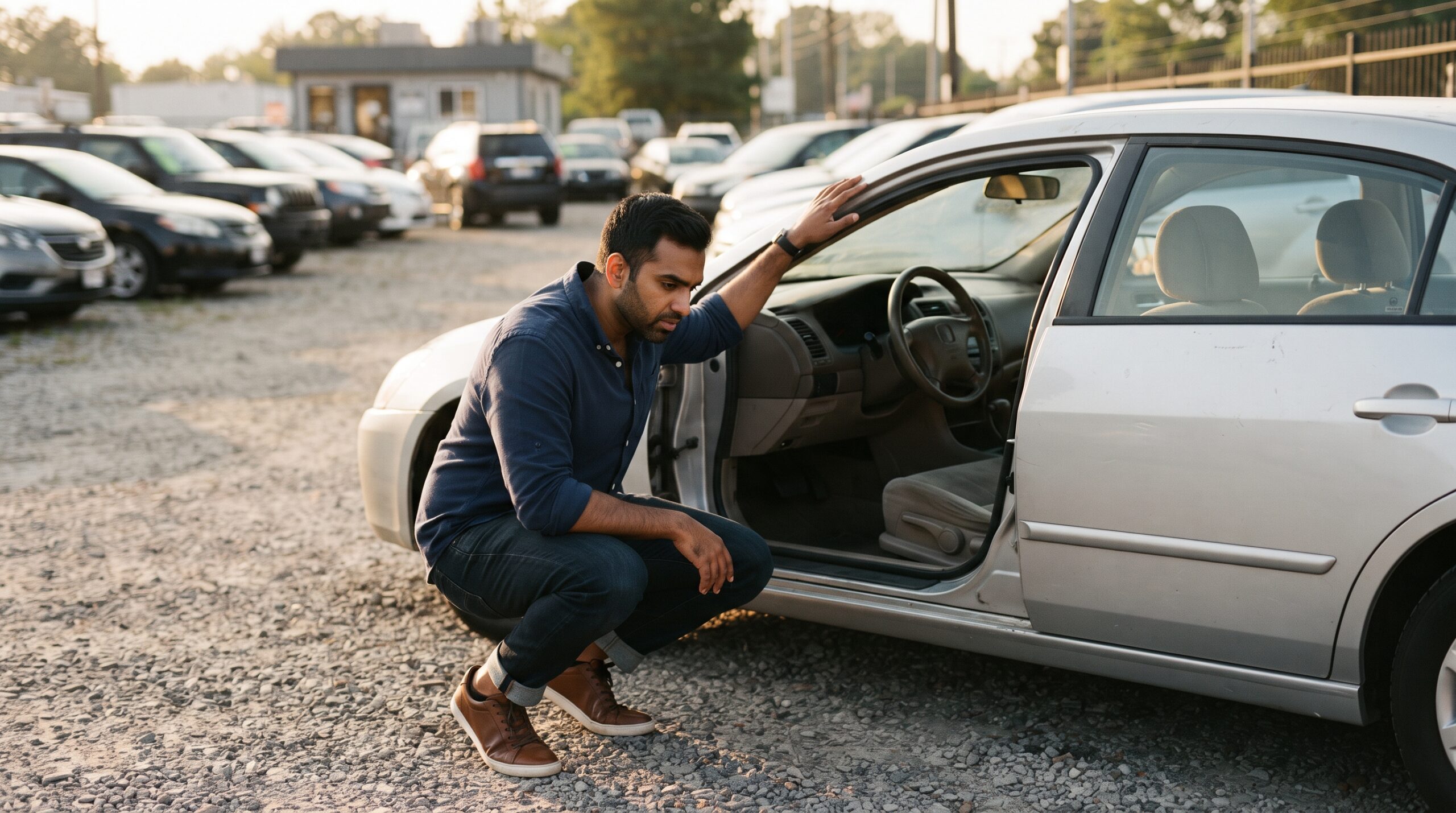
Marcus found a 2024 Hyundai Elantra with 41,000 miles, a clean one-owner history, and a price that ran about $1,400 under similar listings nearby. The one owner was a national car rental company. Reading Hyundai’s own warranty handbook, that single fact could either cost him five years of powertrain coverage or change nothing at all, depending on exactly which program that Elantra came from.
What “one owner” doesn’t tell you
A vehicle history report can confirm a single owner without saying what kind of owner it was. Hyundai’s 2026 Owner’s Handbook and Warranty Information states plainly that its 10-year/100,000-mile Powertrain Limited Warranty “excludes coverage for vehicles placed in commercial use (e.g. taxi, route delivery, rental, etc.).” Ordinary rental use knocks a used Hyundai down to the same 5-year/60,000-mile New Vehicle Limited Warranty coverage that applies to any second owner buying a normal used car, no better and no worse. But the same handbook carves out one specific exception: if the vehicle was first placed in service as a Hyundai Motor America Manager Demonstrator Vehicle or a Hyundai Service Rental Car, “the original (first) retail purchaser of the vehicle is considered the original owner,” and the full 10-year/100,000-mile coverage remains in effect for that buyer.
The warranty math behind a rental-titled car
Marcus’s Elantra is 2 years old with 41,000 miles on it. Running Hyundai’s own rule against those numbers shows exactly how much is at stake depending on which kind of rental history the car actually has.
| Ownership path | Applicable powertrain warranty | Marcus’s remaining coverage at 2 years / 41,000 miles |
|---|---|---|
| Ordinary resale (any second owner) | 5 years / 60,000 miles from original in-service date | 19,000 miles (mileage limit binds first) |
| Ordinary rental company, not a manufacturer program | Same 5 years / 60,000 miles as any resale | 19,000 miles, no different from a normal used car |
| Hyundai Service Rental Car, first retail buyer | 10 years / 100,000 miles from original in-service date | 59,000 miles (mileage limit binds first) |
The difference between the bottom row and the top two is 40,000 miles of coverage, and it hinges entirely on one fact: was this specific car enrolled in Hyundai’s own branded rental or demonstrator program, and is the buyer the first retail purchaser after that. An ordinary rental company car, the kind most buyers picture when they see “rental” on a report, lands in the same place as any other used car. It’s the manufacturer-branded program, easy to overlook, that actually moves the number.
The case where a fleet car is the better buy
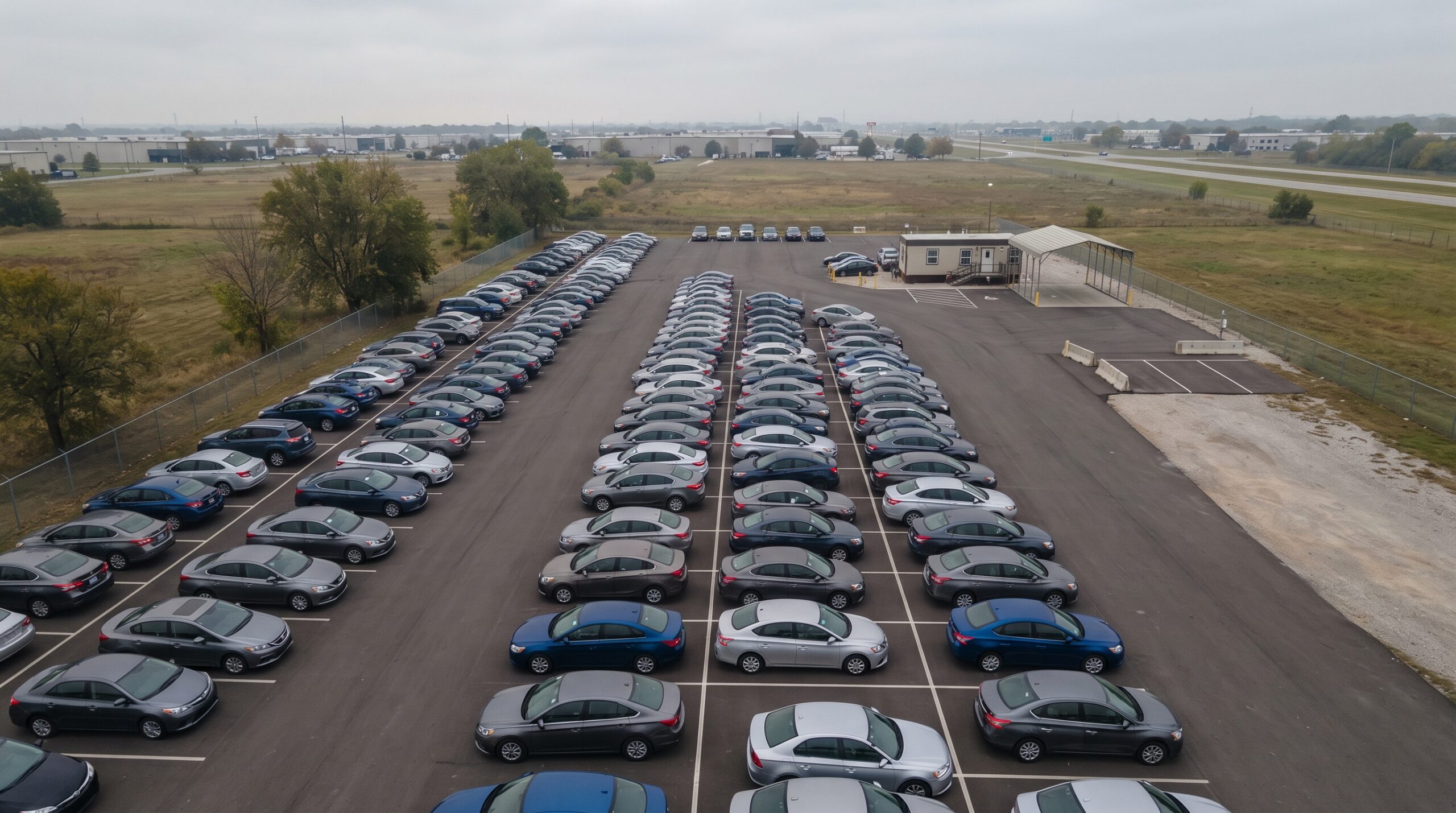
Fleet and rental history isn’t automatically a red flag on price, either. Rental companies typically order well-optioned trims to keep renters satisfied, and dealer-network maintenance during the rental period tends to be documented on a strict schedule rather than skipped when money is tight. There’s also simply more supply moving through the market right now: Cox Automotive’s rental check-in index, which tracks how many rental vehicles are cycling back for resale, reached 85% of 2019 levels in the second quarter of 2026, up 36% from the same quarter a year earlier, according to Cox Automotive’s Q2 2026 Manheim Used Vehicle Value Index presentation. The same presentation put the average mileage on rental-risk vehicles sold at auction at 44,730 miles, in line with what a typical two-to-three-year-old retail trade-in carries. A well-optioned, dealer-maintained fleet car at a discount, with the manufacturer-program warranty intact, can be a genuinely better buy than an equivalent private-party listing.
What to ask before you buy
Before you let a rental or fleet flag change your offer, ask the seller two specific questions: which company or program the vehicle came from, and whether you would be the first retail buyer since it left that service. A dealer selling a former Hyundai Service Rental Car should be able to confirm both from the vehicle’s service history. If they can’t, price the car as an ordinary used vehicle and don’t assume the extended warranty carried over. It’s also worth checking how much factory warranty coverage remains on any used car by its vehicle identification number before you finalize a price, and comparing the out-the-door price against dealer fee practices in your state, since a below-market sticker price on a fleet car sometimes gets offset by fees a private-party seller wouldn’t charge at all.
Frequently asked questions
Does a rental car history always mean less warranty coverage? Not always. Ordinary rental use typically limits you to the standard warranty any used-car buyer would get, but a car from a manufacturer’s own branded rental or demonstrator program can keep its full extended warranty for the first retail buyer.
How can I find out if a used car was previously a rental or fleet vehicle? Ask the seller directly for the prior owner type and, if it says rental, ask which specific company or program. A dealer should be able to pull this from the vehicle’s title history and service records.
Are rental-fleet cars maintained worse than personally owned cars? Generally no. Rental fleets are usually serviced on a strict, documented schedule through dealer networks, which can mean a more complete maintenance record than a typical private-party car.
Is a “Hyundai Service Rental Car” the same as a regular rental company car? No. It’s a specific Hyundai-branded program, and Hyundai’s own warranty handbook treats it differently from an ordinary rental company car, preserving extended coverage for the first retail buyer afterward.
Should I pay less for a car with fleet or rental history? It depends on what kind of fleet or rental use it was. An ordinary rental car with no special program status is fairly priced like any used car with its actual mileage and condition. A manufacturer-program vehicle with intact extended warranty can be worth full market price or more.