
6 min read · Last updated July 06, 2026
- An “extended warranty” is really a vehicle service contract (VSC), and it only pays off when your likely repair costs exceed what you paid for the contract.
- Consumer Reports found most owners who bought one spent more on the contract than they ever got back in covered repairs.
- The decision turns on three things: your car’s reliability record, how long you will keep it, and how many miles are already on it.
- A contract makes the most sense on a higher-mileage car from a brand with a weaker repair record that you plan to keep for years.
In this article
- What you are actually buying
- The breakeven math that decides everything
- When an extended warranty is worth buying
- When to skip it and self-insure instead
- If you buy one, protect yourself first
- FAQ
Devon’s 2018 BMW X5 rolled past 68,000 miles the same week his factory warranty expired. The dealer offered a $3,400 extended service contract on the spot. A year earlier, his neighbor bought a $2,600 contract on a 2019 Toyota Highlander and used it exactly once, for a $180 sensor. Same decision, wildly different math, and the difference was not luck.
Whether an extended warranty is worth it is not a coin flip. It is a calculation you can run before you sign.
What you are actually buying
The dealer calls it an “extended warranty,” but that name is misleading. A true warranty comes from the manufacturer. What the finance office sells is a vehicle service contract, or VSC. In plain terms, it is a repair plan you pay for that covers certain parts for a set number of years or miles.
That distinction matters because a VSC is loaded with fine print a warranty is not. It has exclusions, a list of what it will not cover. It often requires you to use specific shops. It may deny a claim if you cannot prove you kept up on maintenance. And the company behind it may be a third party, not the automaker, which affects how claims get paid.
Coverage tiers vary widely. A powertrain plan covers the engine, transmission, and drivetrain only. A bumper-to-bumper or exclusionary plan covers far more but costs more. Know which one you are being quoted before you compare the price to anything.
The breakeven math that decides everything
Strip away the sales pitch and the decision is arithmetic. You are comparing one number against another.
On one side: the contract price, plus any deductible you pay per visit. A typical VSC runs $1,000 to $4,000, and many carry a $100 to $250 deductible each time you use it.
On the other side: the repairs your car is actually likely to need during the coverage window, and what they would cost out of pocket.
This is where most buyers lose. Consumer Reports has surveyed owners on this for years, and the finding is consistent: most people who bought an extended warranty spent more on the contract than they ever collected back in covered repairs. The dealer keeps the difference. That is the business.
| Your situation | Likely repair risk | Verdict | Best for |
|---|---|---|---|
| Reliable brand, under 50k miles, keeping 3 years | Low | Skip | Owners who can cover a surprise repair from savings |
| Reliable brand, 80k+ miles, keeping 5+ years | Moderate | Maybe | Owners who want budget certainty on an aging car |
| Weaker-reliability or luxury brand, 60k+ miles, keeping long | High | Consider buying | Owners of cars with costly, failure-prone systems |
| Any car, selling or trading within 2 years | Any | Skip | Short-term owners (coverage rarely transfers full value) |
When an extended warranty is worth buying
The bet tilts in your favor when the odds of an expensive repair are high and you will own the car long enough to collect. Three conditions stack the deck toward buying.
The car has a weaker repair record. Reliability is not evenly spread across brands. J.D. Power dependability studies and Consumer Reports reliability data consistently rank some brands, including several German luxury makes, well below the average for repair frequency and cost. A single failed air suspension or electronics module on a luxury SUV can run $3,000 to $5,000. On a car like that, a contract can pay for itself with one claim.
The mileage is already high. Repair probability climbs steeply after 75,000 to 100,000 miles, as original parts wear out. Buying coverage at 40,000 miles means paying for years of low-risk driving. Buying at 90,000 means the risky miles are the ones you are covering.
You are keeping the car for years. Coverage only pays if you own the car through the failures. If you plan to keep it five or more years and drive it past 120,000 miles, you are in the window where major repairs actually happen.
Devon’s BMW checks all three boxes. Our look at third-party auto warranty claim approval rates shows why the company behind the contract matters as much as the price, and if your car is electric, the rules shift again, as our guide to EV battery warranty coverage explains.
When to skip it and self-insure instead
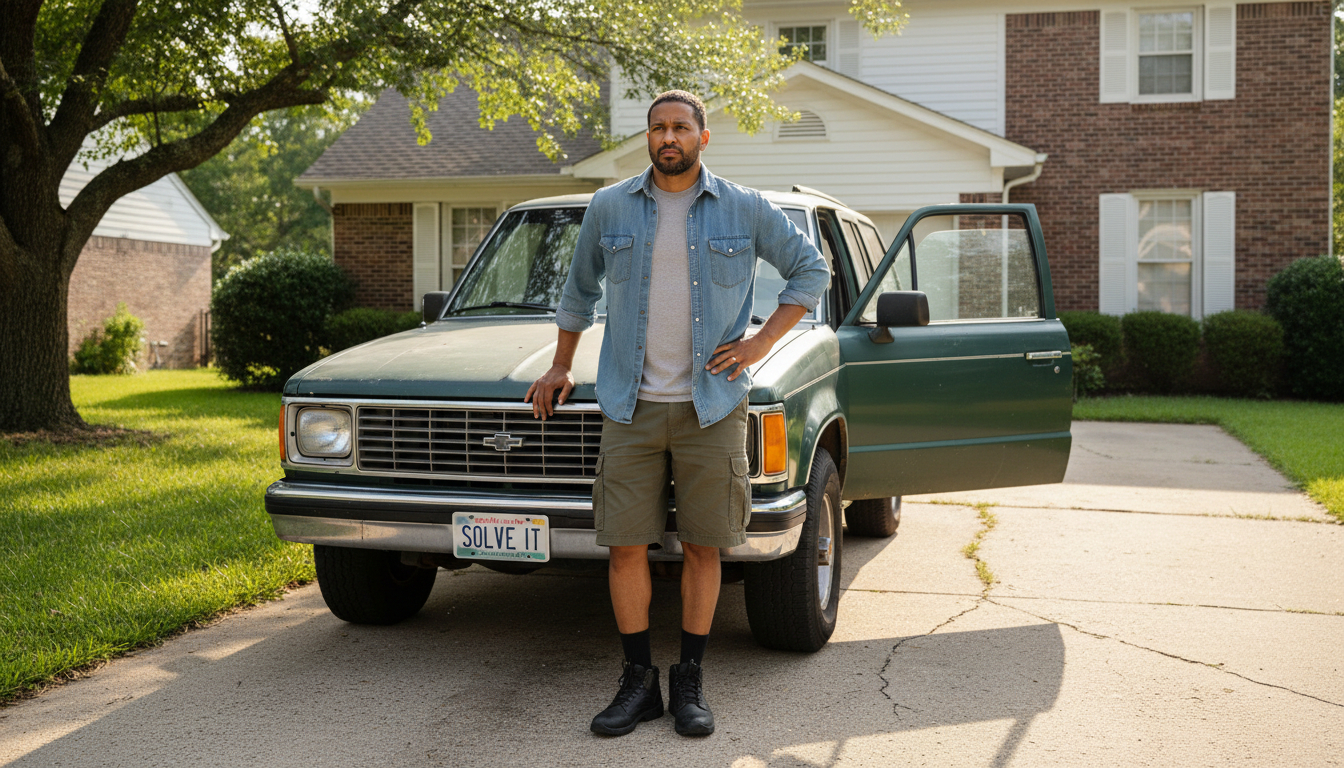
For a reliable car you will not keep long, the smarter move is to self-insure. That means skipping the contract and setting aside what it would have cost.
If a dealer wants $2,600 for a VSC on a Toyota or Honda you plan to sell in three years, put that $2,600 in a savings account instead. Reliable brands rarely generate $2,600 in repairs in three years. If nothing breaks, you keep the money. If something does, you have the fund. Either way, you are not paying a markup and a deductible for the privilege.
Be direct with yourself about one thing. If a surprise $1,500 repair would put you in real financial trouble, that changes the calculation. In that case the contract buys budget certainty, and certainty has value even when the raw math is close. Just buy it knowing that is what you are paying for.
Ignore pressure tactics entirely. A wave of aggressive warranty sales calls and dealer add-on pushes has drawn repeated consumer warnings in 2026, and one widely reported case involved a 74-year-old pressured into a $3,000 truck-warranty contract he canceled but still fought to get refunded. If anyone tells you the offer expires today, that is the sales script, not the truth. A good contract is still a good contract next week.
If you buy one, protect yourself first
Decide the coverage is right, and there are still three moves that protect you before you sign.
Negotiate the price. The sticker on a VSC is not fixed. It carries heavy markup, and finance managers routinely come down 20% to 40% when a buyer pushes back. Never accept the first number.
Read the exclusions. Ask for the actual contract, not a brochure, and read what it does not cover. Wear items, pre-existing conditions, and anything tied to skipped maintenance are common denial reasons. If the exclusions gut the coverage, the low price does not matter.
Know your cancellation refund. Most VSCs can be canceled, and if you cancel early you are often owed a prorated refund of the unused portion. If you financed the contract into your loan, canceling it also lowers what you owe. Get the cancellation terms in writing before you agree.
Not sure if extended coverage is worth it for your vehicle? Get a free auto warranty quote and compare your options before your manufacturer coverage runs out.
FAQ
At what mileage should I buy an extended warranty? The coverage pays off most when you buy it as your car approaches the higher-risk range, roughly 60,000 to 90,000 miles, and plan to keep driving well past 100,000. Buying much earlier means paying for years of low-risk miles you would likely never claim on.
Is an extended warranty ever worth it on a reliable car like a Toyota or Honda? Rarely, unless a surprise repair would create real financial hardship for you. On a dependable brand, the odds of the contract paying for itself are low, so setting the money aside in savings usually beats buying the plan.
What is the difference between an extended warranty and a vehicle service contract? They are typically the same thing sold under different names. A true warranty comes from the manufacturer at no separate charge. What a dealer sells after that is a vehicle service contract, which you pay for and which carries exclusions, deductibles, and its own claims process.
Can I negotiate the price of an extended warranty? Yes. Vehicle service contracts carry large markups, and finance managers often reduce the price 20% to 40% when you push back or decline. The first number quoted is almost never the lowest they will accept.
Can I cancel an extended warranty and get money back? Usually yes. Most contracts allow cancellation with a prorated refund of the unused portion. If you rolled the cost into your loan, canceling also reduces your balance. Confirm the cancellation terms in writing before you buy.