
6 min read · Last updated June 29, 2026
- A pre-purchase inspection runs about $100 to $300 and routinely catches problems that cost ten times that, like a failing transmission or hidden collision repair.
- Never let the dealer’s own shop do the inspection. Choose your own independent mechanic or a mobile inspection service.
- A seller who refuses an independent inspection is the clearest red flag in the whole transaction. The right move is to walk.
- The inspection report is also a negotiation tool. Documented repairs give you a concrete number to knock off the price.
In this article
- What a pre-purchase inspection actually finds
- The math: $150 to avoid a $2,000 mistake
- When to get one and when you can skip it
- What to do when the dealer says no
- FAQ
A buyer in Ohio put a deposit on a $14,000 used sedan that looked clean and drove fine on a short loop around the block. Before signing, he paid a local mechanic $150 to inspect it on a lift. The mechanic found a transmission on its way out, a repair quoted at $2,200. The buyer walked. That $150 was the best money he spent in the entire search.
A test drive around the block cannot find a dying transmission, frame damage hiding under fresh paint, or an electrical fault that only shows up cold. A trained mechanic on a lift can.
What a pre-purchase inspection actually finds
A pre-purchase inspection, or PPI, is a full evaluation of a used car by a qualified mechanic before you buy. It goes far past what you can see in a parking lot.
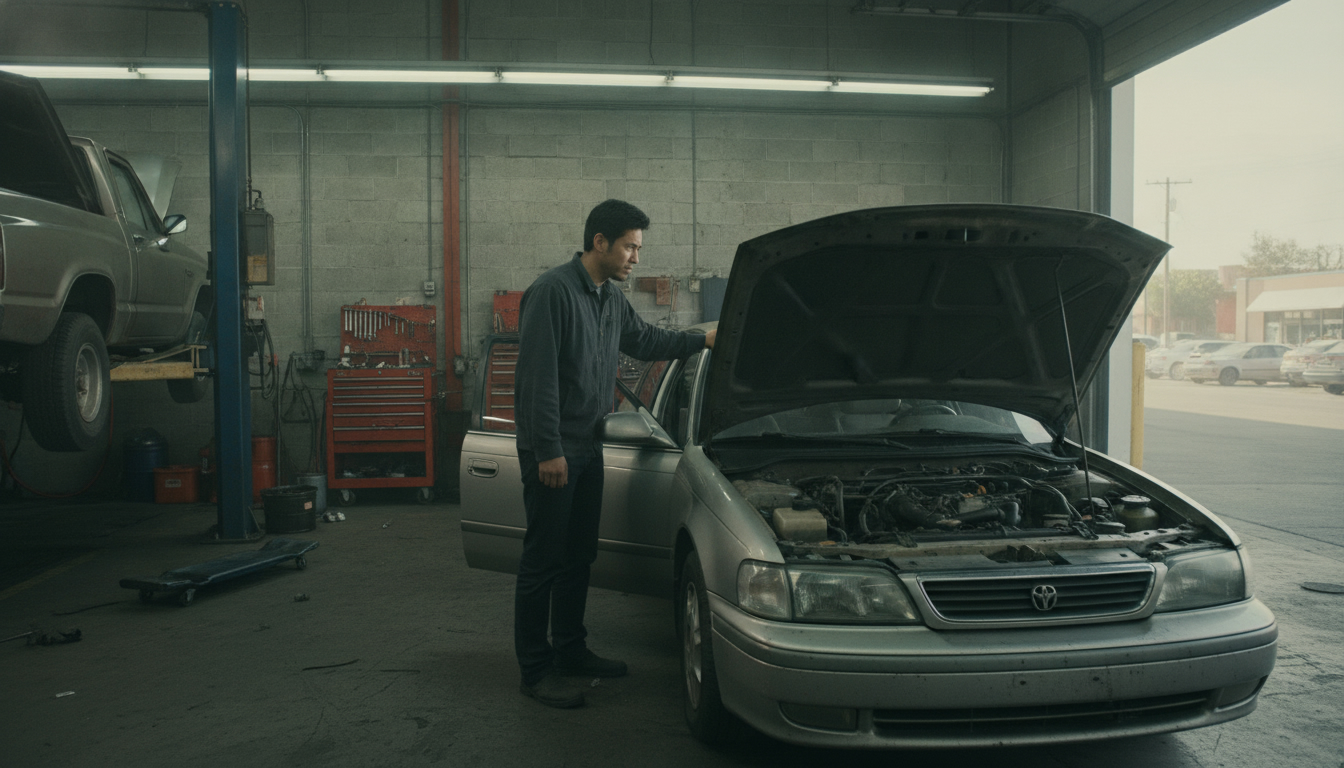
A standard inspection covers the engine, transmission, brakes, steering, and suspension. The mechanic checks for leaks, reads the car’s computer for stored error codes, looks underneath for rust and accident damage, and inspects the paint and panels for the mismatched seams that signal a past collision. On an electric vehicle, a good inspection also checks battery health and whether the range loss is normal for the car’s age.
These are exactly the problems that a seller may not mention and a test drive will never reveal. A recent case made the rounds when a Mercedes owner was quoted $12,600 for brake work, then took the car to a second shop that said the brakes were fine. The lesson cuts both ways. A second, independent set of eyes can catch a problem the seller hid, and it can also catch a repair quote that was never real. Either way, you make the decision with facts instead of hope.
The math: $150 to avoid a $2,000 mistake
The reason a PPI almost always pays for itself is simple arithmetic. The inspection costs $100 to $300. The problems it finds cost far more.
A worn transmission runs $2,000 to $4,000. Hidden collision damage can mean thousands in future repairs and a permanent hit to resale value. Even a smaller find, like a timing component or worn suspension parts, often runs $800 or more. Spending $150 to avoid an $800 to $2,200 repair is one of the highest-return decisions in the entire car-buying process.
The report does more than help you decide. It hands you a negotiation tool. If the mechanic documents $800 in needed work, you have a concrete number to take back to the seller. Ask them to drop the price by that amount or make the repair before you buy. Sellers argue with opinions. They have a much harder time arguing with a written inspection report.
AAA and Auto Club members can sometimes get a discount on inspections, which lowers the cost even further. When you have narrowed your search to one or two listings, comparing them carefully matters, and we walk through that side by side in our guide to reading two similar used-car listings.
When to get one and when you can skip it
You do not need a full inspection on every car. The table below sorts the common cases.
| Scenario | Get the inspection? | Why |
|---|---|---|
| Buying from a private seller | Yes | No reconditioning is required, so condition varies widely |
| Older or budget car under $10,000 | Yes | Cheap cars can hide the most expensive problems |
| Buying out of state or online, sight unseen | Yes, always | It is the only way to verify condition before you travel or ship |
| Used car from a dealer lot | Yes | Reconditioning is often minimal; use your own mechanic, not theirs |
| Certified pre-owned with active warranty | Optional | It was factory-inspected and is covered, so a check is reassurance, not essential |
| Nearly new, low mileage, under factory warranty | Usually skip | Remaining coverage protects you; a quick check is enough |
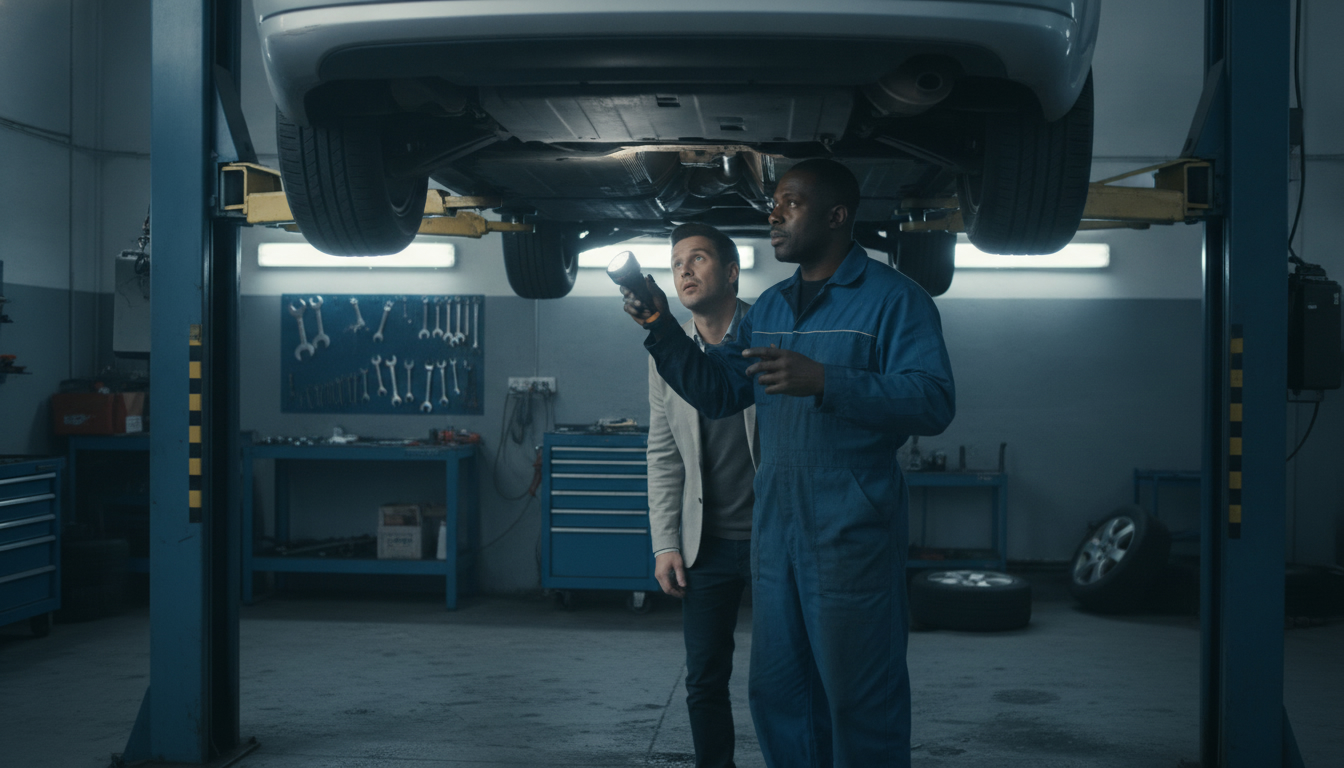
The one rule that matters most: choose the mechanic yourself. If you are buying from a private seller, do not rely on an inspection report the seller hands you. And if the car is certified pre-owned, the manufacturer already inspected it and backed it with a warranty, which is the one case where you can reasonably skip an independent check. We break down what real certification covers in our guide to evaluating certified pre-owned listings.
What to do when the dealer says no
This is where buyers freeze, so be ready for it. Most reputable dealers allow an independent inspection. Some will send a salesperson along, which is fine. But if a dealer or private seller flatly refuses to let your mechanic look at the car, treat it as the loudest warning sign in the deal.
Here is the script. Tell them, calmly: “I am ready to buy today, and I will, right after my mechanic inspects it. I will pay for the inspection and arrange it. When can the car be available?” That puts a reasonable, low-cost request on the table.
If they still refuse, do not negotiate against yourself by talking up to a deal you cannot verify. Walk. There are other cars. The $150 inspection is the cheapest insurance in the whole transaction, and a seller who will not allow it is making the decision easy for you.
For out-of-state or online purchases, you do not have to be there in person. Hire a local mechanic or a mobile inspection service near the seller, and have them send you a written report before you commit a deposit or buy a plane ticket.
Ready to find your next vehicle? Search new and used cars on Edmunds and see real dealer prices in your area.
FAQ
How much does a pre-purchase inspection cost? A standard pre-purchase inspection runs about $100 to $300, depending on where you live and how deep the inspection goes. Mobile services that come to the car usually cost a little more than a shop visit. AAA members may qualify for a discount.
Can I get an inspection done at the dealership selling the car? You can, but you should not rely on it. Always choose your own independent mechanic. A dealer inspecting the car it is trying to sell you has no reason to flag problems that would kill the deal.
What should I do if the seller refuses an inspection? Treat a refusal as a serious red flag and be prepared to walk. A seller with nothing to hide allows an independent inspection. If they will not, the risk of a hidden, expensive problem is too high to take on.
How do I inspect a car I’m buying out of state? Hire a local mechanic or a mobile inspection service near the seller and have them send a written report before you travel or pay. This is the only reliable way to verify condition on a car you cannot see in person.
Is a vehicle history report the same as an inspection? No. A history report shows past events like accidents and ownership changes. A pre-purchase inspection reveals the car’s current mechanical condition. You want both, because each catches problems the other misses.