
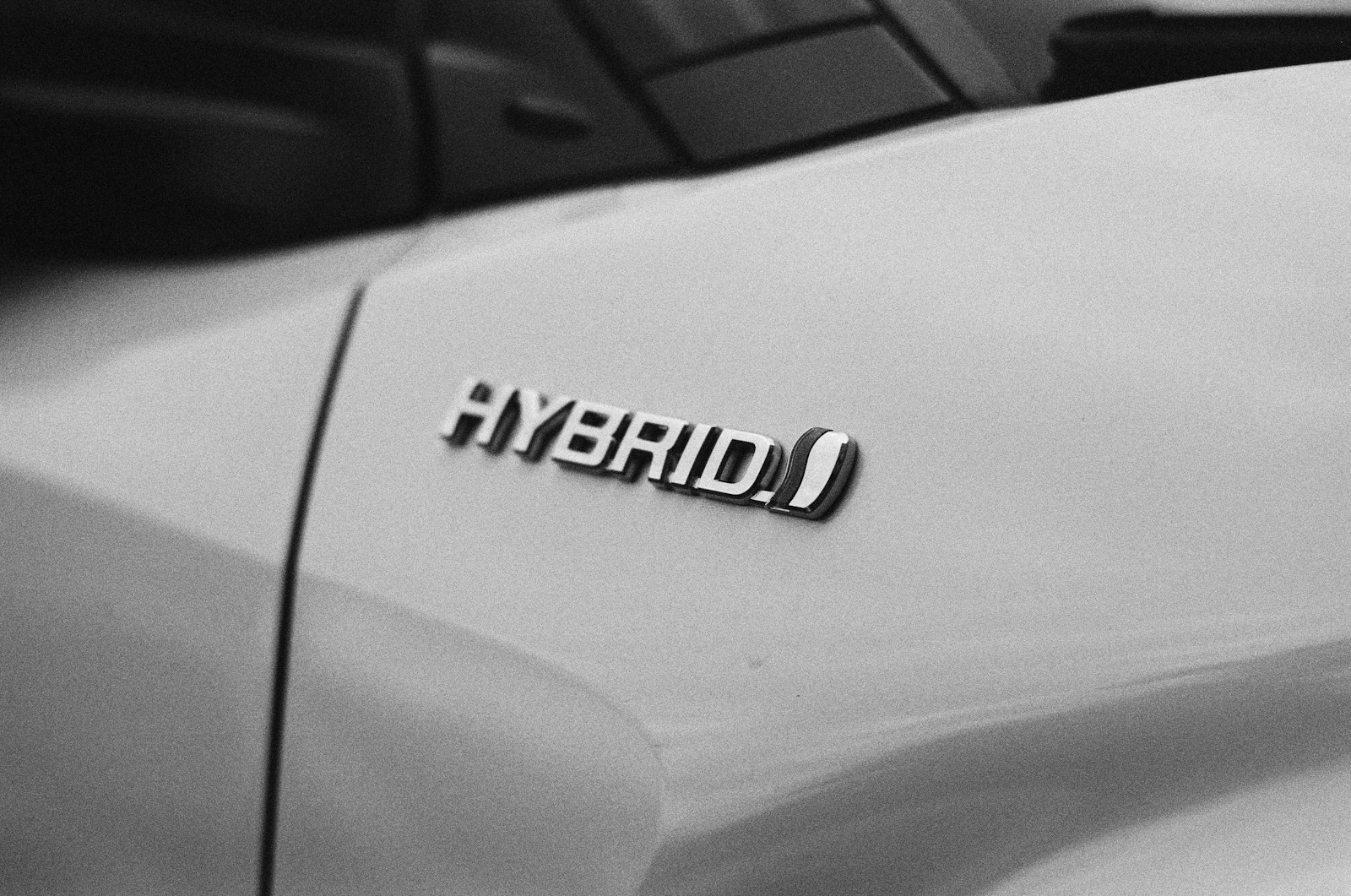

Hybrid vehicles promise efficiency, lower emissions, and reduced fuel costs. Yet many owners discover that insurance premiums and long‑term expenses are higher than expected. This paradox frustrates buyers who believed hybrids would save money across the board. The reality is that hybrid owners often pay more because insurers, lenders, and service providers view these vehicles differently. Understanding why hybrid costs rise reveals how add‑on coverage, repair complexity, and market dynamics shape affordability.
Repair Complexity Drives Premiums Higher
Hybrid vehicles combine internal combustion engines with electric drivetrains. This dual system increases repair complexity. When accidents occur, insurers must account for both mechanical and electrical damage. Specialized technicians and parts raise costs compared to traditional gas cars.
Insurers pass these costs to owners through higher premiums. Hybrid owners often pay more because claims are more expensive to settle. Add‑on coverage for batteries, electronics, and hybrid systems further increases premiums. While gas car owners may rely on standard coverage tiers, hybrid owners need specialized protection.
Limited Technician Networks Increase Risk
Gas cars benefit from widespread repair networks. Almost every mechanic can service them, and parts are readily available. Hybrids, however, require technicians trained in both combustion and electric systems. Limited networks increase downtime and raise costs.
Insurers recognize this risk and adjust premiums accordingly. Add‑on coverage often includes access to certified hybrid repair centers or extended rental benefits. Owners pay more because insurers must offset the limited availability of qualified service providers.
Battery Value and Depreciation Curve
The battery is one of the most valuable components in a hybrid. Replacement costs can reach thousands of dollars. Insurers must consider battery health, warranty status, and depreciation when setting premiums.
Hybrid depreciation curves differ from gas cars. Batteries lose value faster than engines, especially if warranties expire. Owners pay more because insurers design add‑on coverage to protect against battery failure. Without this coverage, a single repair could erase years of fuel savings.
Why Add‑On Coverage Matters More for Hybrids
Add‑on coverage plays a central role in hybrid insurance. Standard policies may not fully protect hybrid systems, leaving owners vulnerable. Insurers offer specialized add‑ons for batteries, electronics, and charging equipment. These add‑ons raise premiums but provide essential protection.
Hybrid owners pay more because they cannot rely on basic coverage tiers. Comprehensive add‑on coverage ensures that costly components are protected. Gas car owners rarely face this dilemma, making their insurance more affordable.
Market Perception and Risk Models
Insurers rely on risk models to set premiums. Hybrids are newer and less common than gas cars, which limits historical data. Limited data increases uncertainty, and insurers compensate by raising premiums.
Market perception also plays a role. Hybrids are often viewed as higher‑value vehicles, which increases theft risk. Owners pay more because insurers factor these perceptions into risk models. Add‑on coverage for theft protection and advanced electronics further raises costs.
Loan Fit and Insurance Timing
Borrowers financing hybrids must consider how insurance affects loan fit. Lenders evaluate the loan to value ratio, and higher premiums directly influence affordability. Hybrid owners often face strained budgets because insurance costs exceed expectations.
Insurance timing also matters. Borrowers who refinance during periods of high premiums may lock in unfavorable terms. Aligning refinance timing with favorable insurance rates protects affordability. Hybrid owners pay more when timing misaligns with market conditions.
Consumer Experiences Highlight the Paradox
Drivers share mixed experiences with hybrid ownership. Some emphasize fuel savings and environmental benefits, while others express frustration with higher insurance costs. Many discover that add‑on coverage is essential, even though it raises premiums.
Consumer advocates highlight the importance of evaluating total cost of ownership. Hybrids may save money on fuel but cost more in insurance and repairs. Owners pay more because insurers and lenders view hybrids as higher‑risk assets.
Lessons for Hybrid Owners
Hybrid owners can manage costs by applying several lessons:
- Compare insurers to find competitive add‑on coverage.
- Review depreciation curves to anticipate battery value.
- Align refinance timing with favorable insurance rates.
- Budget for higher premiums and maintenance costs.
- Evaluate total cost of ownership, not just fuel savings.
These lessons transform hybrid ownership from a financial burden into a manageable strategy.
Why Hybrid Owners Still Choose These Vehicles
Despite higher costs, hybrid owners continue to choose these vehicles for environmental benefits, fuel efficiency, and long‑term sustainability. Many accept higher premiums as part of the trade‑off. Add‑on coverage provides peace of mind, ensuring that costly components are protected.
Hybrid ownership reflects a broader shift toward sustainable transportation. Owners pay more in the short term but contribute to reduced emissions and long‑term environmental goals.
Conclusion
Hybrid vehicle owners pay more because repair complexity, limited technician networks, battery value, and market perception raise insurance costs. Add‑on coverage plays a central role, ensuring that batteries and electronics are protected but increasing premiums. Loan fit and refinance timing further influence affordability.
While hybrids save money on fuel, owners must budget for higher insurance and maintenance costs. Understanding why hybrid owners pay more empowers buyers to make informed decisions. Add‑on coverage, depreciation curves, and timing strategies transform hybrid ownership from a frustrating paradox into a sustainable financial plan.